
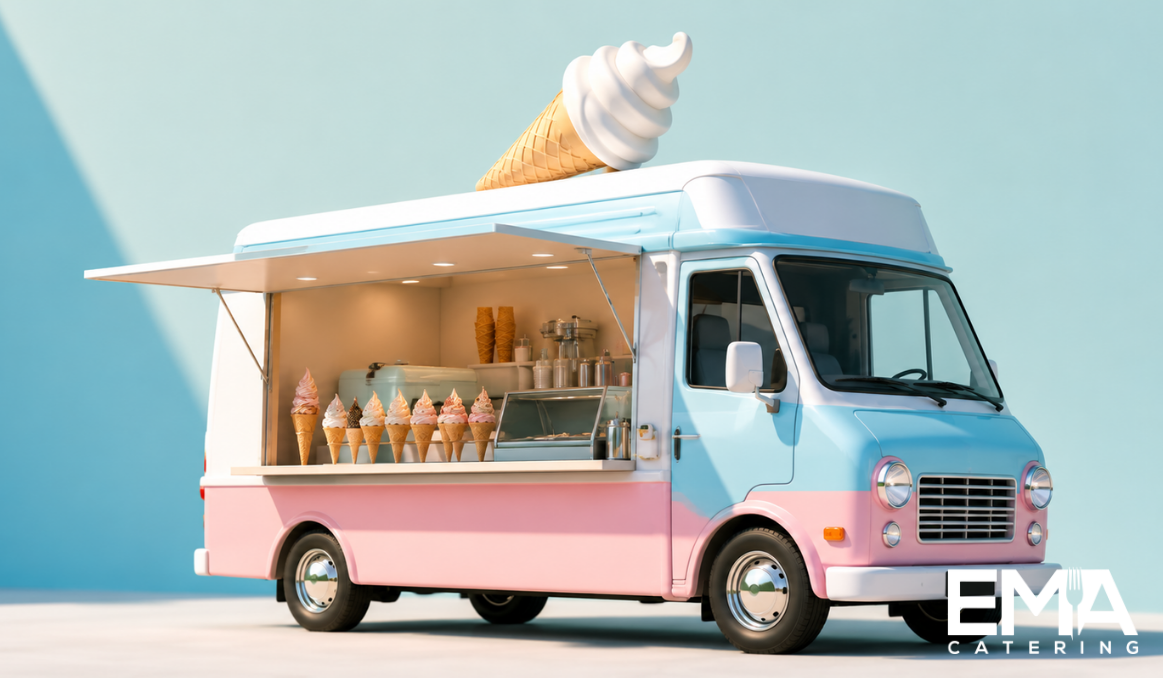
We get asked this a lot, usually by people who have stood next to one of our vans on a hot day and thought, “I could do this.” And you can. But the first real decision is not the flavours or the pitch, it is the vehicle, and that means knowing who actually sells a roadworthy, food-safe ice cream concession van in the UK, and who is just flipping a tired old Transit with a freezer bolted in the back. We buy and run these vans for a living, so this is the honest version of what we have learned about the suppliers and what to check before you part with any money.
First, decide what you are actually buying
“Ice cream van” covers a surprising range of vehicles, and the right one depends on how and where you plan to trade. A street and events van is a different beast to a static trailer parked at a venue all summer. Before you compare suppliers, get clear on the format, because it changes who you should be talking to.
| Format | Best for | Things to weigh up |
|---|---|---|
| New bespoke van | Daily trading, long-term business, brand image | Highest upfront cost, but built to last and to spec |
| Converted panel van | Buyers on a budget who want road mobility | Quality depends entirely on who did the conversion |
| Used or refurbished van | Getting started without a six-figure outlay | Check service history, refrigeration and power system |
| Concession trailer or cart | Static pitches, festivals, fixed venues | Needs a tow vehicle and a power plan on site |
The UK suppliers worth knowing
The UK market splits into a few clear groups. At the top sits a small number of established manufacturers, then a layer of used and refurbished dealers, and finally the open marketplaces and auctions where you take more on yourself. For anyone serious about running an ice cream concession as a business, the manufacturer route is usually where the quality and the resale value live.
Established manufacturers
The name almost everyone in the trade knows is Whitby Morrison, the Crewe-based, family-run firm widely described as the world’s leading ice cream van manufacturer. Founded in 1962, it builds bespoke vans on Mercedes Sprinter chassis, fits Carpigiani soft-serve machines, and produces roughly 100 vehicles a year across new builds, conversions and vintage restorations. It also makes trailers, carts and tricycles, so it covers most formats under one roof. We run their solar-assisted ePower electric vans ourselves, which is why we can speak to the build quality first-hand.
Buying from an established manufacturer costs more, but you get a vehicle built to a known standard, a real warranty, spare parts, and a van that holds its value. In a trade where copycat and reverse-engineered vans have been a genuine problem, buying from the source matters more than people realise.
Used and refurbished dealers
Below the new-build tier, specialist dealers such as Donovans Ice Cream Vans and similar refurbishers sell pre-owned and reconditioned vans, often Ford Transit or Mercedes based. This is a sensible way to start if a six-figure new van is out of reach, as long as you inspect the refrigeration, the power system and the service history carefully before committing.
Marketplaces and auctions
At the open end of the market, sites like Secondhand Catering Equipment, general listings on eBay, and classic-vehicle auctions such as Car & Classic carry everything from bargain project vans to restored vintage units. There are deals to be had, but there is no safety net, so this route suits buyers who know exactly what they are looking at.
New, used or converted: what it tends to cost
Prices move with the market, the chassis and the spec, so treat the figures below as a rough guide for 2026 rather than fixed quotes, and always confirm current pricing directly with the supplier. The point is the shape of the decision, not the exact numbers.
| Option | Indicative price guide | What you are paying for |
|---|---|---|
| New bespoke van (top model) | From around £70,000 upward | Build quality, warranty, spec, resale value |
| New fully electric (ePower-type) | Reported well into six figures | Zero-emission running, ULEZ freedom, low running cost |
| Professional conversion | Around £35,000 | A panel van fitted out to a proper standard |
| Used or refurbished van | From around £12,000 to £15,000 | A working van; condition varies widely |
| Basic DIY conversion package | From around £8,000 plus VAT | Lining, counter, basic electrics and water only |
One thing worth saying plainly: the cheapest van is rarely the cheapest decision. A tired engine, a failing freezer or a non-compliant power setup can cost you a whole trading season, and a season missed is far more expensive than the few thousand pounds you saved at purchase.
What to check before you buy
This is where our experience actually helps, because the things that catch people out are not on the price sticker. Whatever supplier you use, run through these before you commit.
Power system. This is the big one. Traditional vans run the engine or a diesel generator to power the soft-serve machine, which is noisy, costs money in fuel, and is increasingly restricted in clean-air zones. Newer electric systems, like the lithium-ion and solar setup we use, let you trade quietly and run in Ultra Low Emission Zones without penalties. If you plan to work cities or indoor venues, the power system is not a detail, it is the whole business case.
Chassis and emissions. New vans are typically built on a Euro 6-compliant chassis, which matters for where you are allowed to drive and trade. On a used van, check the chassis age and emissions status against the zones you intend to work, or you may find your pitch is off-limits.
Refrigeration and machinery. The ice cream machine and freezers are the heart of the van. Ask what make they are, when they were last serviced, and whether spares are available. A respected machine brand fitted by a known manufacturer is worth paying for.
Food safety registration. Running an ice cream concession makes you a food business. You must register with your local authority, and it has to happen at least 28 days before you start trading. Registration is free. You can confirm the rules on the Food Standards Agency website, and you will be inspected and given a hygiene rating like any other food outlet.
Gas, electrical and safety certification. If the van uses gas or has a fitted electrical system, ask for current safety certificates. A legitimate supplier will have these ready. If they get vague when you ask, treat that as the answer.
Case study: why we moved our concession fleet to electric
Here is our own experience, because it shaped how we now advise anyone buying. For years the standard way to power an ice cream van was to keep the engine or a generator running all day. It works, but it is loud, it burns fuel, and as clean-air zones spread across UK cities, it started closing doors on exactly the high-footfall pitches we wanted, town centres, parks and indoor events.
So we invested in solar-assisted electric vans built by an established manufacturer rather than chasing the cheapest converted units. The change was bigger than we expected. The vans run silently, which is a genuine advantage at weddings and corporate events where a chugging generator would ruin the atmosphere. Fuel costs for the power system effectively disappeared. And because the vans are zero-emission, we can trade in low-emission zones and indoor venues that were previously off-limits, which opened up bookings we simply could not take before.
The upfront cost was higher, no question. But across a full season the lower running costs, the wider range of pitches we can accept, and the premium feel at events have more than justified it. The lesson we pass on is simple: buy the van that fits where you actually want to trade, not just the one with the smallest price tag. For us, that meant electric from a proper manufacturer, and we have not looked back.
Why operators trust EMA Catering on ice cream concessions
We do not sell vans, but we run them, which is why our perspective is useful if you are buying. EMA Catering has operated ice cream concessions at festivals and events since 1995, and we made the move to a solar-powered Whitby Morrison ePower fleet precisely because we learned, first-hand, what works and what costs you a season.
That experience shapes the advice in this guide: buy for where you actually want to trade, judge the power system and refrigeration before the paintwork, and treat food-safety registration as non-negotiable. If you would rather hire a fully run, professionally branded ice cream concession for an event than buy one outright, that is something EMA Catering provides directly, with the same standards we would expect of any unit we own.
Questions to ask any ice cream van supplier
Take this list to every supplier or dealer you talk to. The answers separate the professionals from the chancers.
- Who built or converted this van, and is it built to a recognised standard?
- What powers the ice cream machine: engine, generator, or electric battery?
- Is the chassis Euro 6 compliant, and can I trade it in clean-air and low-emission zones?
- What make are the ice cream machine and freezers, and when were they last serviced?
- Is there a warranty, and can I get spare parts and servicing?
- Can I see current gas and electrical safety certificates?
- What is the full service and ownership history?
- Will you help with handover, training, or getting started?
If you would rather hire a fully run ice cream concession for an event instead of buying one outright, that is something we do directly. You can see our event and ice cream catering services, look at events we have worked, or tell us your date and location and we will come back to you within one working day.
The bottom line
Plenty of suppliers sell mobile ice cream vans in the UK, but they are not equal. For a serious ice cream concession, an established manufacturer like Whitby Morrison gives you build quality, a warranty and resale value. A good used or refurbished dealer can get you trading for less, provided you inspect carefully. And the open marketplaces suit only those who really know what they are buying. Whichever route you take, judge the power system, the chassis, the refrigeration and the paperwork before the paint job. Get those right and the van will earn its keep for years.
Frequently asked questions
How much does a mobile ice cream van cost in the UK?
It varies enormously. As a rough 2026 guide, a top-spec new bespoke van starts from around £70,000, fully electric builds are reported well into six figures, professional conversions sit around £35,000, and used or refurbished vans often start from roughly £12,000 to £15,000. Always confirm current pricing with the supplier, because chassis costs and specifications change the figure significantly.
Who is the best ice cream van manufacturer in the UK?
Whitby Morrison, based in Crewe, is the name most often cited as the UK’s largest and the world’s leading ice cream van manufacturer. It builds bespoke vans, conversions, trailers and carts, and pioneered electric, zero-emission systems. That reputation comes at a premium, but it buys you build quality, warranty support and strong resale value. There are also reputable used and refurbished dealers if a new van is out of budget.
Are electric ice cream vans worth the extra cost?
For many operators, yes, especially if you want to trade in cities, parks or indoor venues. Electric vans run silently and produce zero emissions, so they avoid clean-air and low-emission zone penalties and remove diesel generator fuel costs. The upfront price is higher, but lower running costs and access to a wider range of pitches often make up the difference over time. If you only trade rural pitches, a traditional van may still suit you.
Do I need a licence or registration to run an ice cream concession?
You need the correct driving licence for the vehicle weight, and crucially you must register as a food business with your local authority at least 28 days before you start trading, which is free. You will then be inspected and given a food hygiene rating. Depending on where you trade, you may also need street trading consent from the local council. Always check local requirements before you commit.
Can I buy an ice cream concession as a trailer instead of a van?
Yes. Concession trailers and carts are a popular option, particularly for static pitches, festivals and fixed venues where you do not need to drive between locations. They are often cheaper than a full van, but remember you will need a suitable tow vehicle to move them and a reliable power plan once on site. Established manufacturers and specialist trailer builders both offer them.
What is the difference between a converted van and a bespoke ice cream van?
A bespoke van is purpose-built by a manufacturer to a consistent standard, with integrated power, refrigeration and machinery. A converted van is a standard panel van fitted out afterwards, and the quality depends entirely on who did the work. A professional conversion can be excellent value; a cheap DIY job can be a false economy. Always ask who carried out the conversion and to what standard.